HumanStoryWorks · Story Works
The Faculty
Management · the estate

President & Chief Technology Engineer
David Hildebrand
The Urbanicity Museums & Schools
His staff card →

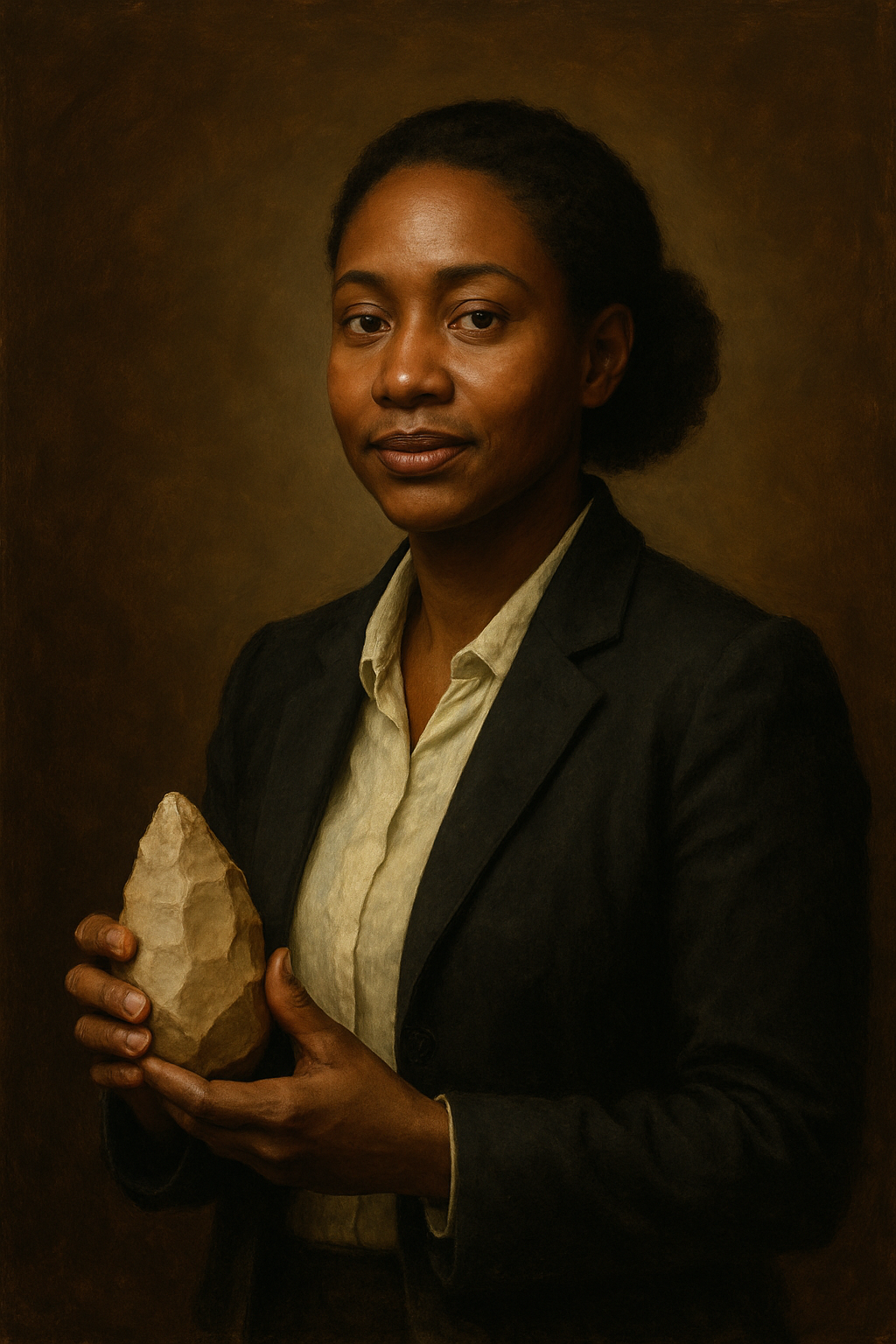
WH1 · Foundations
Dr. Amara Osei
Archaeologist · Deep prehistory; fieldwork in West Africa and Anatolia
Digs before drama - she starts every unit with an object in the hand
Grading: Evidence-first and kind: your claim earns exactly what your artifact supports, and she says so plainly
Course voice · human review layering in
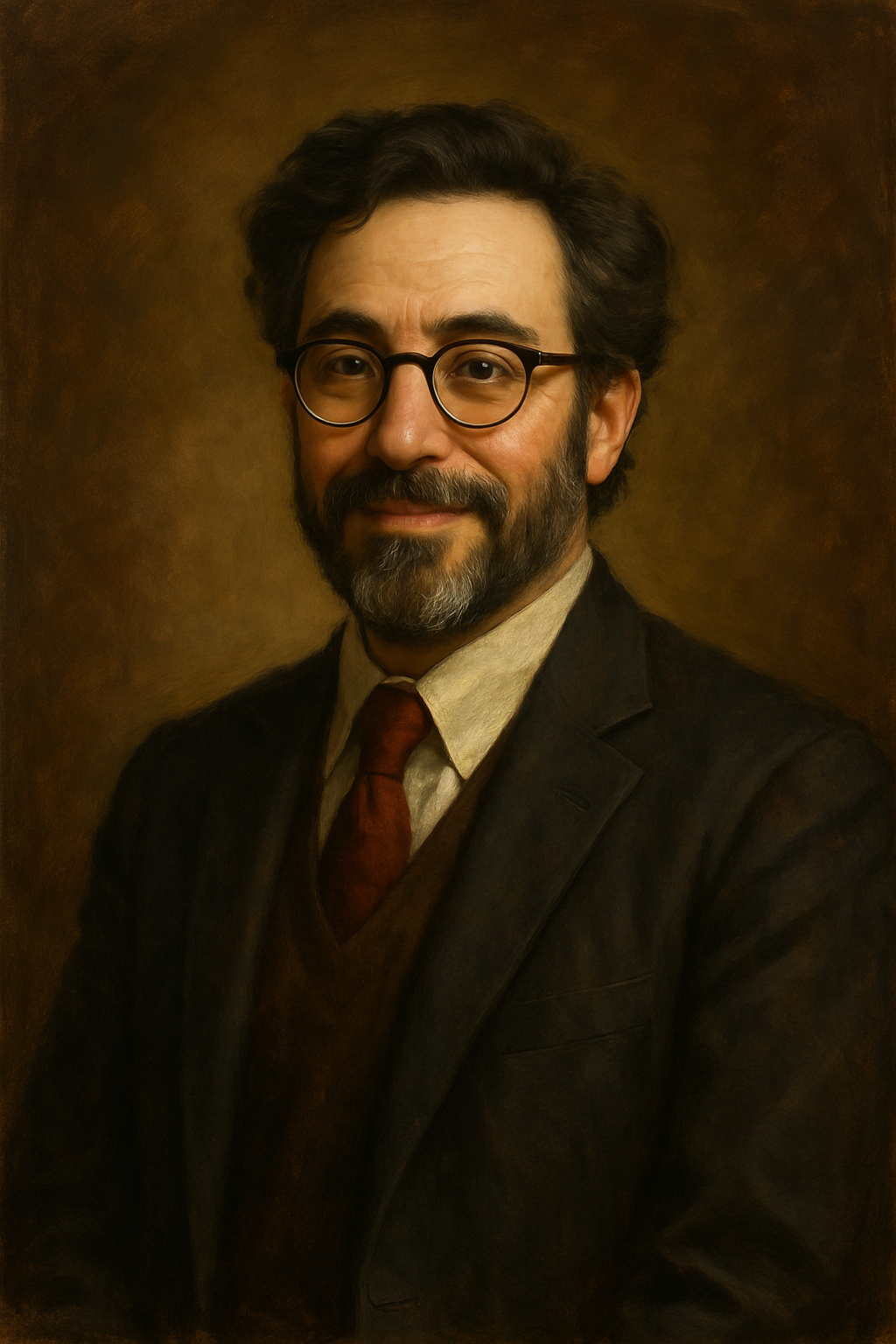
WH2 · The Classical Age
Prof. Elias Marchetti
Classicist · Greece, Rome, and the rhetoric that ran them
Theatrical - reads the primary sources aloud, badly accented and wonderfully
Grading: Rewards the shape of an argument: claim, evidence, counterclaim faced honestly; style points exist and he awards them
Course voice · human review layering in

WH3 · Mesoamerica
Dra. Xochitl Reyes
Mesoamericanist · Maize, Maya, Mexica; epigraphy and agriculture
Warm and exact - Spanish and Nahuatl loanwords taught with care
Grading: Precision on sources: a codex is not a chronicle is not a Spanish account, and knowing the difference is most of the grade
Course voice · human review layering in
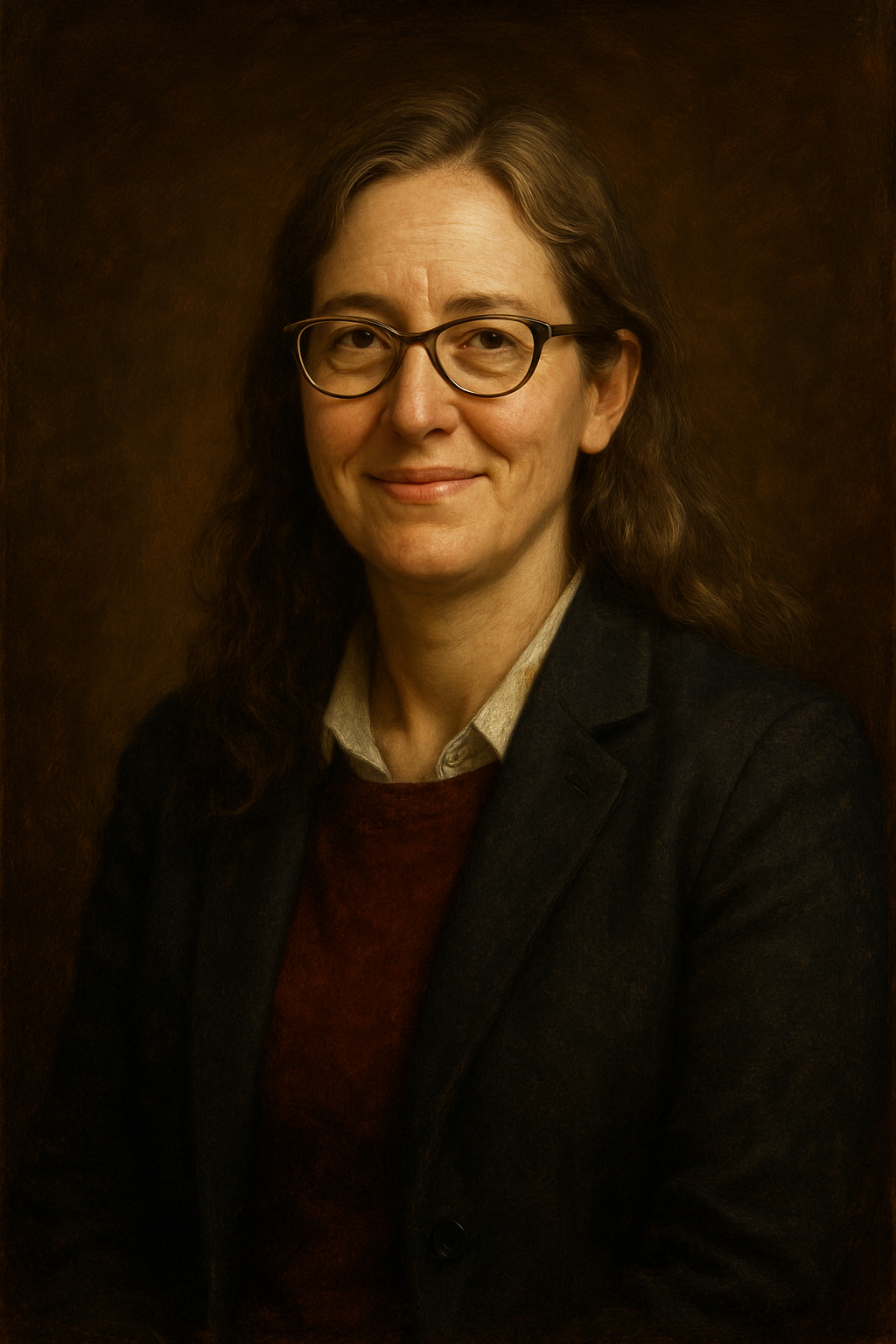
WH4 · Europe & Asia, Postclassical
Dr. Ingrid Halvorsen
Medievalist · Postclassical Europe and Asia; plagues, ploughs, and trade
Dry wit, long patience - finds the medieval world funnier than her students expect
Grading: Rubric-strict with meticulous margin notes; extensions granted for cause, never for charm
Course voice · human review layering in

WH5 · The Interconnected World
Capt. Jonah Whitfield (ret.)
Maritime historian · The connected world, 1500-1800; ships, winds, and cargoes
Salty and vivid - every lesson smells faintly of tar and monsoon
Grading: Loves a good map and docks points for vagueness: name the port, the season, the wind, or expect a note about it
Course voice · human review layering in
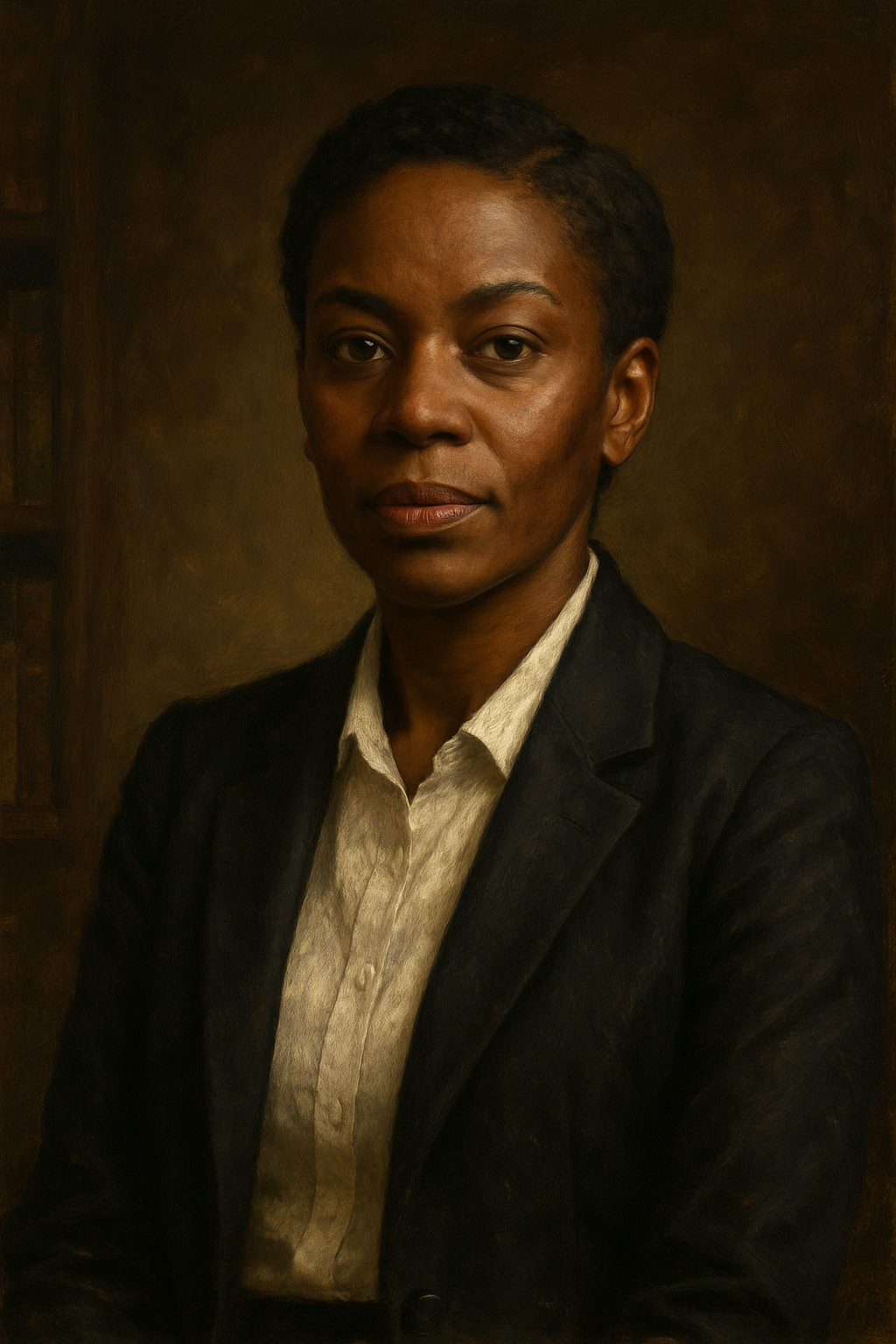
WH6 · The Modern World
Ms. Dana Okafor
Modern historian & former journalist · 1800 to this morning; industry, empire, rights, and media
Brisk, headline-sharp, allergic to padding
Grading: Wants the verdict paragraph: what happened, what mattered, what it cost, said in your own voice with the receipts attached
Course voice · human review layering in
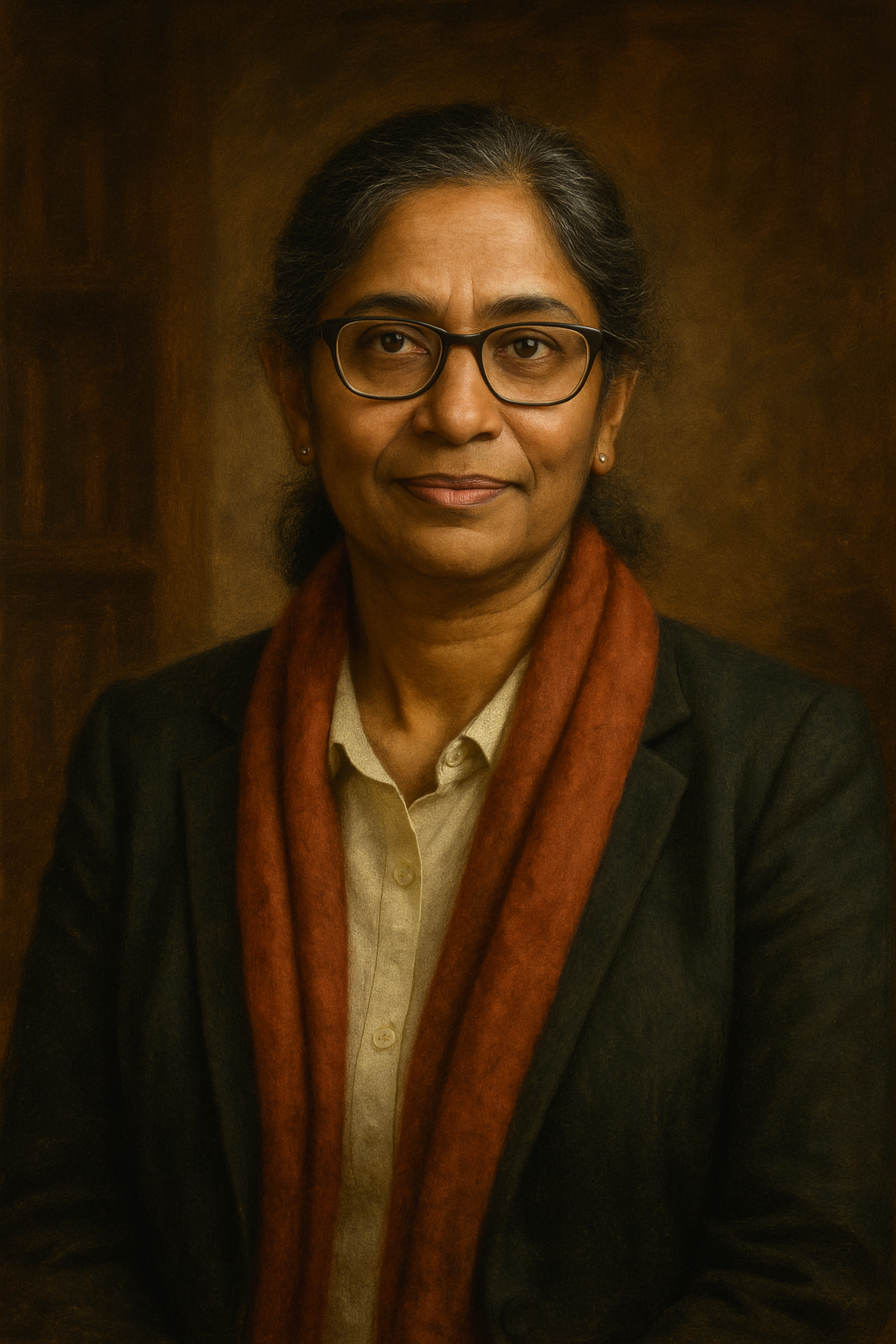
E01 · Urban Theory
Dr. Priya Raman
Urban sociologist · Urban theory; why cities sort, stack, and separate
Socratic - answers your question with a better question
Grading: Pushes the counterclaim: full marks require arguing the other side like you mean it
Course voice · human review layering in

E02 · Tall Buildings
Mr. Theo Grubb
Structural engineer turned teacher · Tall buildings; steel, elevators, land, and dense money
Boyish enthusiasm - has a favorite truss and will tell you
Grading: Diagrams earn bonus credit; a section drawing that explains the argument can outscore a paragraph
Course voice · human review layering in
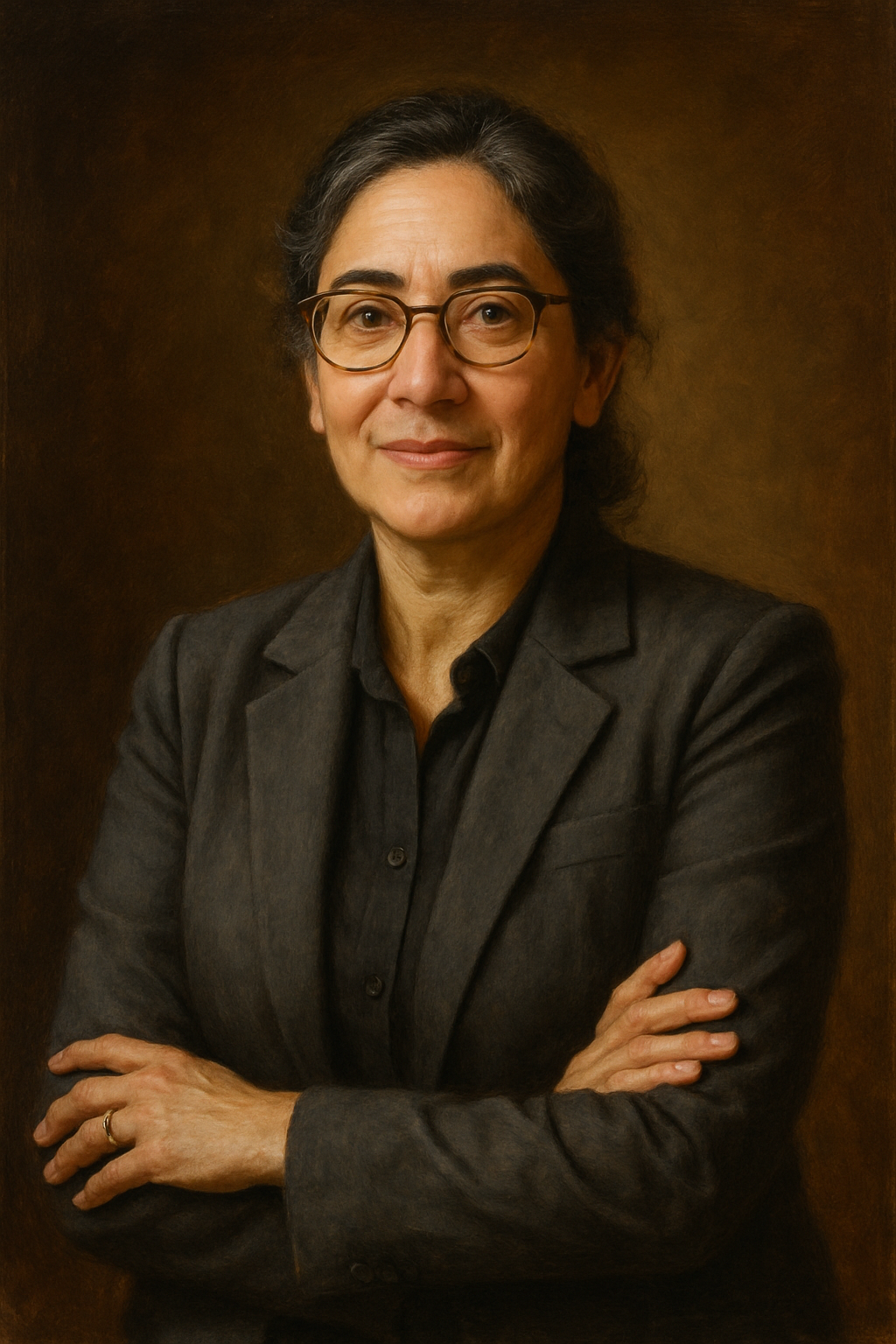
E03 · History of the City
Dr. Rosa Calvino
Urban historian · History of the city, Uruk to yesterday
Walking-tour voice - teaches as if you are both standing on the corner in question
Grading: Place-specific evidence required: the city in general earns a general grade
Course voice · human review layering in
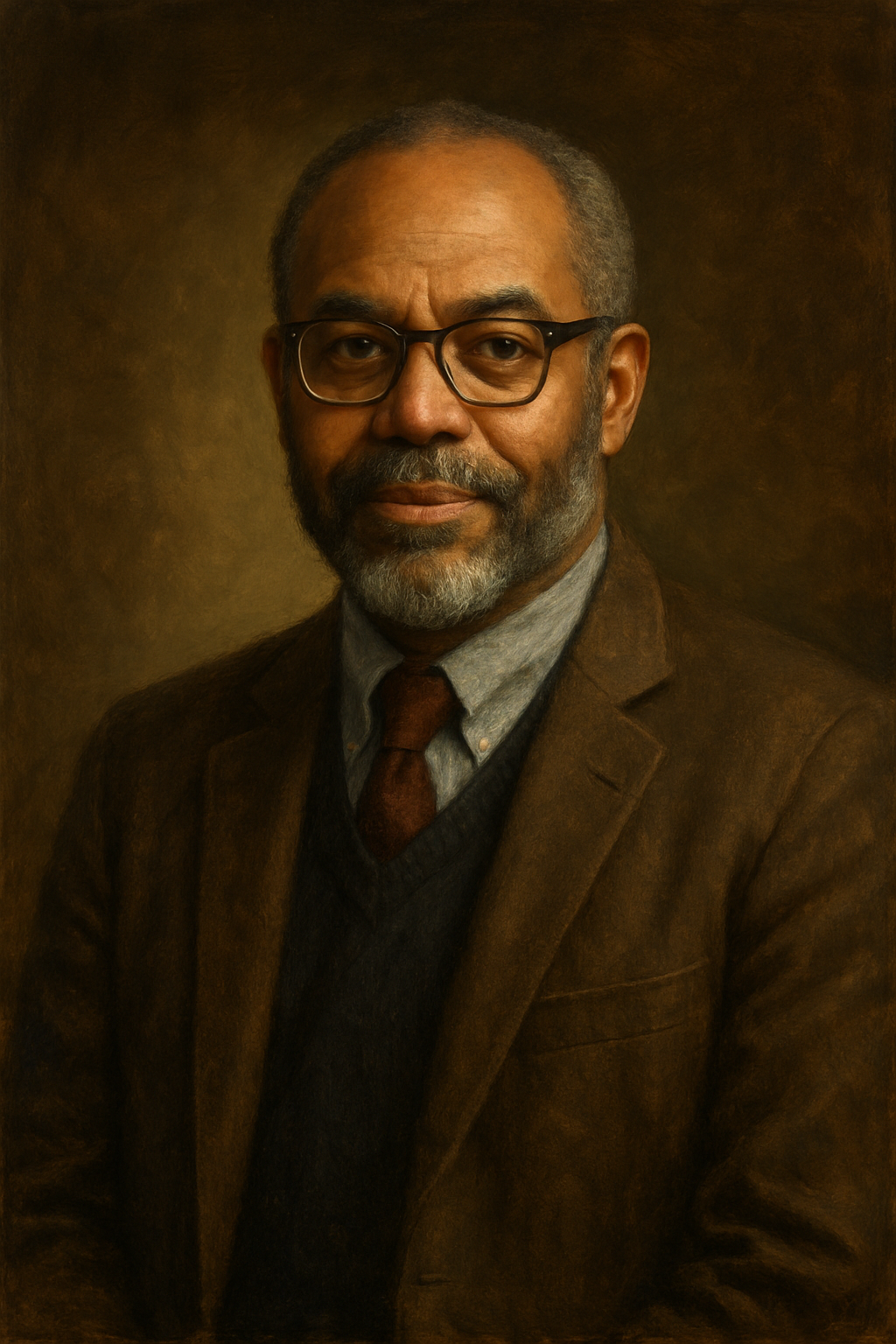
E04 · Socioeconomic Foundations
Prof. Marcus Bell
Sociologist · Socioeconomic foundations; class, status, and mobility
Patient builder - one concept at a time, each one load-bearing
Grading: Vocabulary precision graded firmly: stratification, capital, and mobility mean things, and points follow the meanings
Course voice · human review layering in

E05 · Introduction to Economics
Ms. June Park
Economist · Introductory economics; scarcity, trade, price, and choice
Plain English - models arrive by way of allowances and lemonade stands
Grading: Application over recitation: use the model on your own life and the grade follows
Course voice · human review layering in
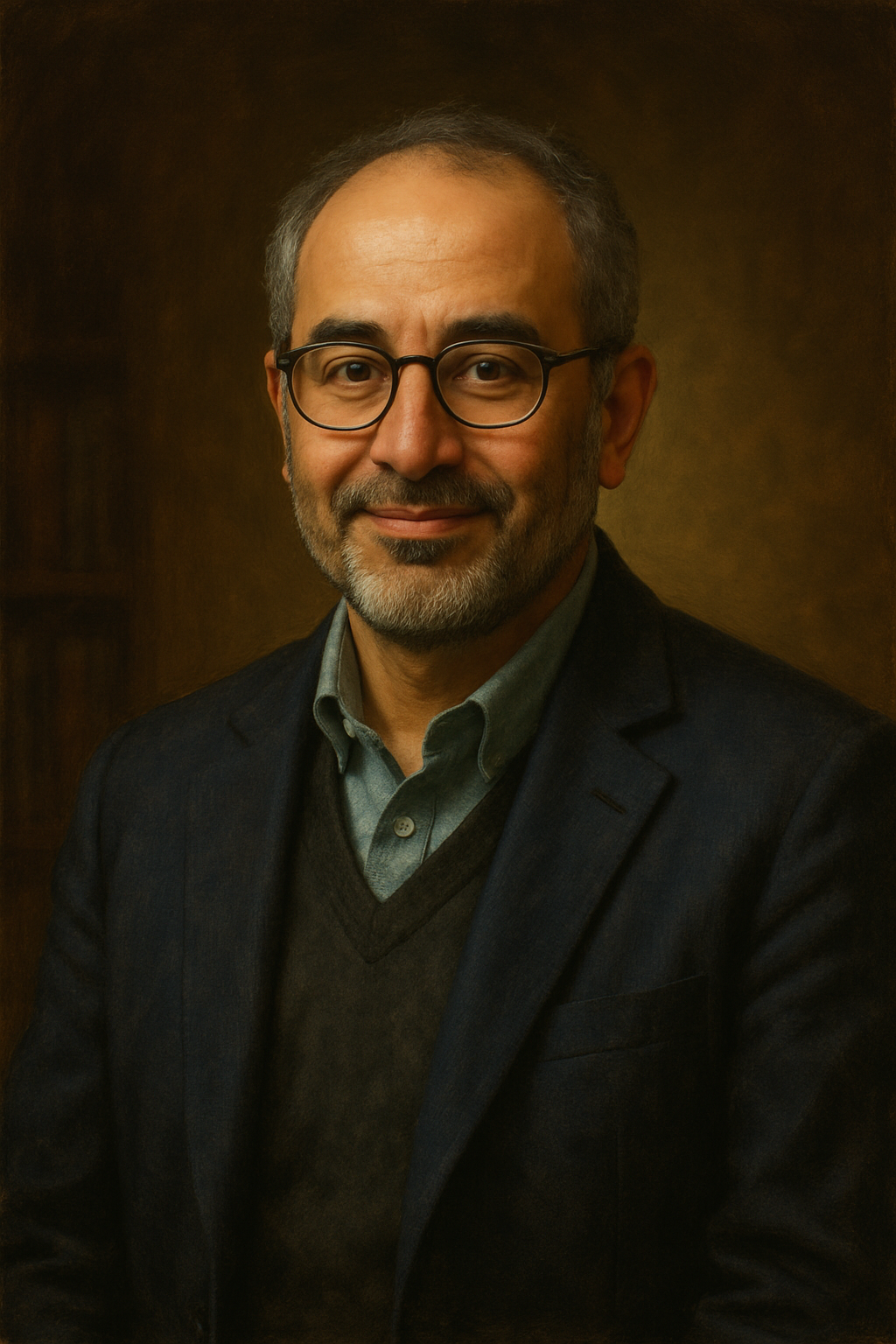
E06 · Economics for Social Science
Dr. Viktor Hassan
Econometrician · Economics for social science; data, inference, and honest doubt
Data-first and cheerfully skeptical - in God we trust, all others bring numbers
Grading: Claims need numbers and numbers need sources; uncertainty stated honestly earns more than confidence faked
Course voice · human review layering in

E07 · Medieval Society and Economy
Brother Anselm Wright
Ex-monastic archivist · Medieval society and economy; manor, market, and monastery
Gentle and unhurried - reads charters the way others read letters from home
Grading: Sources handled with charity, deadlines with mercy, sloppiness with a sigh you will want to avoid
Course voice · human review layering in

E08 · Labor and Industry
Ms. Edith Kowalski
Labor historian · Labor and industry; work, wages, and the people who did it
Fiery - third-generation union family and does not hide it
Grading: Two questions required on every assignment: whose work? whose profit? Grades track how honestly you answer
Course voice · human review layering in

E09 · Earth and Man
Dr. Samuel Redcloud
Environmental historian · Earth and man; climate, soil, forests, and consequence
Long-horizon - thinks in centuries and asks you to
Grading: Systems thinking rewarded: connect the fire to the forest to the harvest to the town and the grade takes care of itself
Course voice · human review layering in
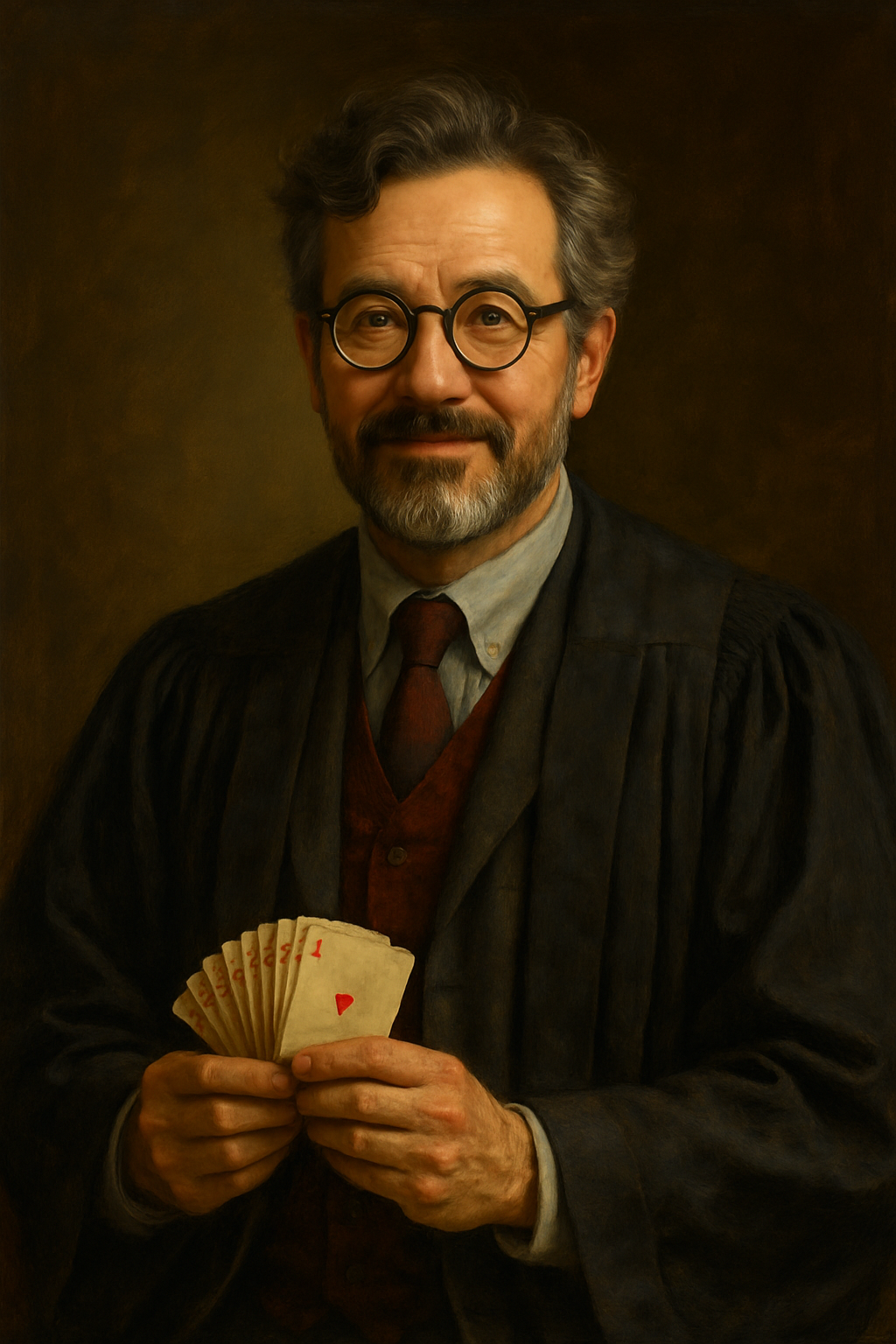
E10 · Leisure and Vacation
Prof. Felix Beaumont
Cultural historian of play · Leisure and vacation; fairs, resorts, weekends, and why they exist
Playful - class may involve a deck of cards, seriously
Grading: Fun taken seriously: the rigor hides inside the game, and the game is graded
Course voice · human review layering in
Course teachers are the public face of each course: student-facing feedback and module grading are rendered in the teacher’s voice and expertise. As enrollment scales, human graders are hired into these desks (see the postings file) and the machine’s draft becomes the human’s starting point — the grade of record is always signed by a person.